



The multi-colored ethnic tapestry brought a rich and identity-filled treasure of folk games to Điện Biên. Each group possessed its own games tied to their living conditions, labor habits, and spiritual lives. The Thai people participated in còn ball throwing and tó má lẹ; the Hmong engaged in tù lu (spinning tops), pao throwing, and stick pushing; while the Dao, Tay, Khang, and Si La competed in tug-of-war, crossbow shooting, and stilt walking. Each game told a cultural story through movement, rhythm, and a spirit of connection, forming a unique nuance in the cultural life of the ethnic groups.
.jpg)
The Hmong people, who accounted for a large portion of the population, maintained a rich cultural life, most notably through the games of tù lu and crossbow shooting. These were not merely pastimes for festivals but vividly reflected the laboring life, martial spirit, and enduring will of the people. While tù lu demanded strength and flexibility, crossbow shooting required extreme focus and absolute precision. Sùng A Tỉn, a resident of Tà Là Cáo village, noted that these games were once familiar to the village youth but had a period where they became scarce. Through the intervention of the government and the cultural sector, these games were restored and integrated into traditional festivals, which sparked great excitement among the people.
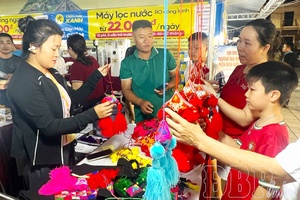
Similarly, the Thai people in Điện Biên actively “awakened” their folk games during festivals and village New Year celebrations. Ném còn, a long-standing game, symbolized the harmony of yin and yang and the aspiration for a prosperous and happy life. It was not just a game; it demonstrated the ingenuity of Thai women who hand-sewed the colorful shuttlecocks, embedding within them their faith and hope for a fulfilling new year.
.jpg)
The Lao people, residing mainly in Núa Ngam, Thanh Yên, and Mường Luân, also held many traditional sports such as Tó Má Lẹ and Tọt Khon. Lò Văn Xuẩn, a resident of Mường Luân 1 village, shared that the organization of these activities used to be infrequent, and the number of people who understood their origins and rules was limited, especially among the youth. Consequently, recent efforts focused on restoring these games through teaching sessions during cultural festivals. Elders directly guided the younger generation, helping traditional games return to community life and fostering a sense of responsibility among the youth to protect their heritage.
Across the province, the preservation of folk games spread effectively thanks to the “Preservation and Development of Ethnic Cultures Project.” Villages like Nà Sự and Nà Cang in Mường Chà commune were surveyed, and several Thai traditional sports were restored. Nguyễn Hữu Đại, Chairman of the Mường Chà People’s Committee, emphasized that the restoration did not stop at collecting forms of play but was linked to training classes and local competitions. This approach empowered the people to practice and teach the youth, ensuring that folk games lived within daily life and contributed to community solidarity.
.jpg)
The “awakening” of these games through Tet and festivals not only enriched the spiritual life of the people but also opened paths for sustainable cultural tourism. More importantly, this revival became a self-motivated need of the community, nourished by a love for culture and creating a foundation for traditional values to be passed down to future generations.
Ngọc Huyền
.jpg)
.jpg)
.jpg)
.jpg)
.jpg)
.jpg)
.jpg)
.jpg)
.jpg)
.jpg)
You have 500/500 characters left
Please enter 5 or more characters!!!